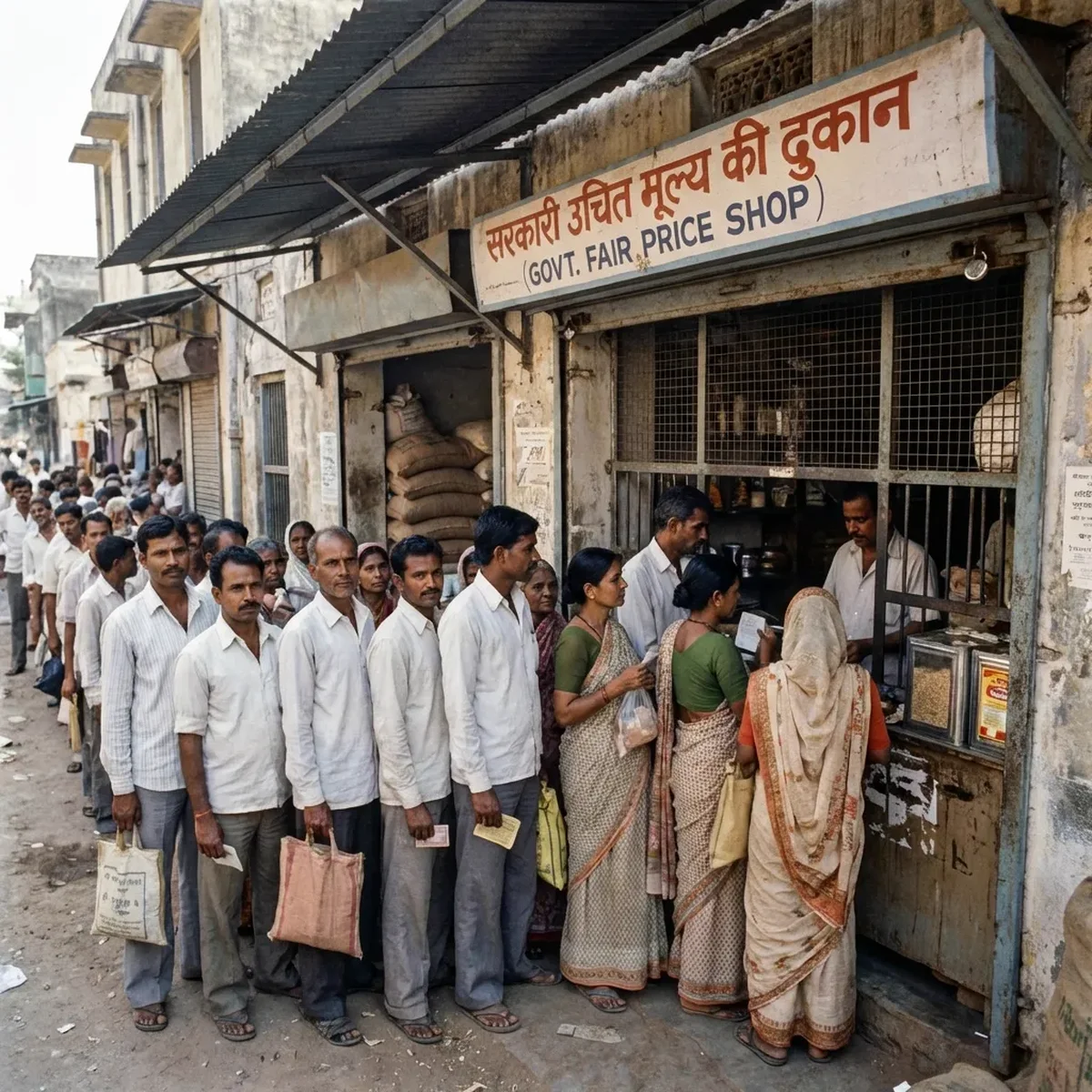
In 2008, Mummy was diagnosed with Type 2 diabetes. The doctor — a government hospital physician who charged ₹50 for consultation — prescribed Metformin 500mg. At the chemist shop downstairs, a strip of 10 tablets cost ₹12. She takes two tablets a day. Monthly medicine cost: about ₹72.
Add the quarterly blood sugar test (₹80 per test at Pathology Lab bhaiya near our house), and the annual full-body checkup that Papa insisted on (₹500 at the government hospital). Mummy's annual diabetes management cost was roughly ₹1,860. Manageable. Not exciting, but manageable.
Fast forward to 2025. Mummy's diabetes has progressed — which is normal after 17 years. She's now on Metformin XR 1000mg plus Glimepiride plus Vildagliptin (a newer drug her endocrinologist prescribed). The monthly medicine bill? ₹2,850. The endocrinologist charges ₹1,500 per visit (she goes every 3 months). Blood tests including HbA1c, lipid profile, and kidney function cost ₹2,200 at a private lab (government hospital lab has a 3-week waiting period).
Annual cost of managing the same condition: ₹46,200. That's a 24x increase from 2008. Twenty-four times. Let me repeat: the same human body, the same disease, the same important need to stay alive — costs 24 times more to maintain.
And this isn't a story about luxury healthcare. Mummy doesn't go to Medanta or Apollo. She sees a senior doctor at a semi-government hospital. We buy medicines from Jan Aushadhi when available. This IS the budget option. The "normal" version costs even more.
The Medicine Price Puzzle: What's Actually Going Up?
Healthcare inflation in India is a strange beast. Unlike petrol or food, where the product is identical (a litre of petrol is a litre of petrol), healthcare changes constantly — new drugs, new tests, new equipment. So let's separate the components:
1. Important Medicine Prices
India's National Pharmaceutical Pricing Authority (NPPA) controls the prices of about 800 "important" medicines through the Drug Price Control Order (DPCO). These prices are capped and can only increase by the Wholesale Price Index each year. In theory, this should prevent medicine inflation.
In practice? It's complicated. Let me show you some real prices from a typical Indian family's medicine cabinet:
| Medicine | 2005 Price | 2015 Price | 2026 Price | Increase |
|---|---|---|---|---|
| Crocin (Paracetamol 500mg, 15 tabs) | ₹14 | ₹18 | ₹34 | 143% |
| Combiflam (10 tabs) | ₹22 | ₹38 | ₹52 | 136% |
| Amoxicillin 500mg (10 caps) | ₹28 | ₹45 | ₹78 | 179% |
| Metformin 500mg (10 tabs) | ₹8 | ₹12 | ₹22 | 175% |
| Atorvastatin 10mg (10 tabs) | ₹35 | ₹18 | ₹28 | -20%* |
| Insulin (1 vial, human) | ₹180 | ₹275 | ₹420 | 133% |
| ORS Sachet (single) | ₹5 | ₹8 | ₹15 | 200% |
*Atorvastatin actually went DOWN after price control and generic competition — a rare success story. But notice: most important medicines have increased 130-200% over 20 years. That's above general CPI inflation (~140% over the same period). The NPPA controls are working, but imperfectly.
2. Non-Important and New Medicines
Here's where it really hurts. The NPPA only controls about 800 medicines. There are over 70,000 drug formulations sold in India. The vast majority are uncontrolled. And these are often the ones doctors prescribe because they're "better" or "newer" — and significantly more expensive.
Mummy's Vildagliptin, for instance, costs ₹850 per month. The older alternative (Glipizide) costs ₹120. Both manage blood sugar. Vildagliptin is marginally better at maintaining steady levels, but the 7x price difference? That's not medical improvement — that's pharmaceutical margin.
Doctor Consultation Fees: The 10x Increase
Medicine is only one component. The bigger inflation is in doctor fees. Here's what I've actually paid over the years for various consultations:
| Type of Doctor | 2005 | 2015 | 2026 | Increase |
|---|---|---|---|---|
| General physician (government) | ₹10-20 | ₹50 | ₹100-150 | ~10x |
| General physician (private) | ₹100-150 | ₹300-500 | ₹700-1,200 | ~7x |
| Specialist (private) | ₹200-400 | ₹500-1,000 | ₹1,500-3,000 | ~7x |
| Dentist (cleaning + checkup) | ₹100-200 | ₹500-800 | ₹1,500-2,500 | ~10x |
| Eye specialist | ₹150-300 | ₹400-800 | ₹1,000-2,000 | ~6x |
Doctor fees have increased 6-10x in 20 years. General CPI inflation over the same period was roughly 2.4x. Doctors' fees have inflated 3-4x faster than everything else. Why?
Several reasons compound: medical education costs ₹50 lakh-₹1 crore (up from ₹5-10 lakh in 2005), so doctors need to recover their educational investment. Real estate for clinic space has skyrocketed. Equipment costs have risen. And the biggest factor — demand massively exceeds supply. India has about 1 doctor per 1,000 people (WHO recommends 1 per 500). When supply is constrained and demand is important (you can't "choose" not to be sick), prices rise relentlessly.
The Hospital Bill: Where Inflation Becomes Devastating
Outpatient costs — medicines and doctor visits — are painful but manageable for most middle-class families. Hospitalization is where things fall apart. I think this is probably the area where inflation does the most actual damage to Indian families, because you can't plan for it and you can't negotiate when you're in an emergency.
One thing that surprised me looking into this: medical inflation in India has consistently run at 10-14% annually over the past decade. That's roughly double the general CPI rate. Your salary might keep up with 6% inflation, but it's almost certainly not keeping up with healthcare costs. A family that felt comfortable with ₹5 lakh health insurance in 2015 probably needs ₹15-20 lakh coverage now — and most haven't upgraded. The gap between what people have and what they'd need in a hospitalization scenario keeps widening quietly.
In 2012, my Tau ji (uncle) had a heart attack in a tier-2 city. The total bill at a private hospital including angioplasty, stenting, ICU stay (4 days), and medicines was ₹2.8 lakh. The same procedure at the same hospital in 2024 for my colleague's father? ₹8.5 lakh. A 3x increase in 12 years.
Let me break down a typical hospitalization cost comparison:
| Component | 2010 | 2026 |
|---|---|---|
| Room charges (private, per day) | ₹2,000-3,000 | ₹8,000-15,000 |
| ICU charges (per day) | ₹5,000-8,000 | ₹20,000-45,000 |
| Surgeon fee (major surgery) | ₹30,000-60,000 | ₹1,00,000-3,00,000 |
| Anaesthesia | ₹5,000-10,000 | ₹20,000-50,000 |
| Diagnostic tests (bundle) | ₹3,000-5,000 | ₹15,000-30,000 |
| In-hospital medicines | ₹5,000-10,000 | ₹20,000-50,000 |
The NSSO (National Sample Survey Office) health expenditure data tells us that 55 million Indians are pushed below the poverty line every year due to healthcare costs. That number was 39 million in 2014. Healthcare inflation isn't just an economic issue — it's literally making people poor.
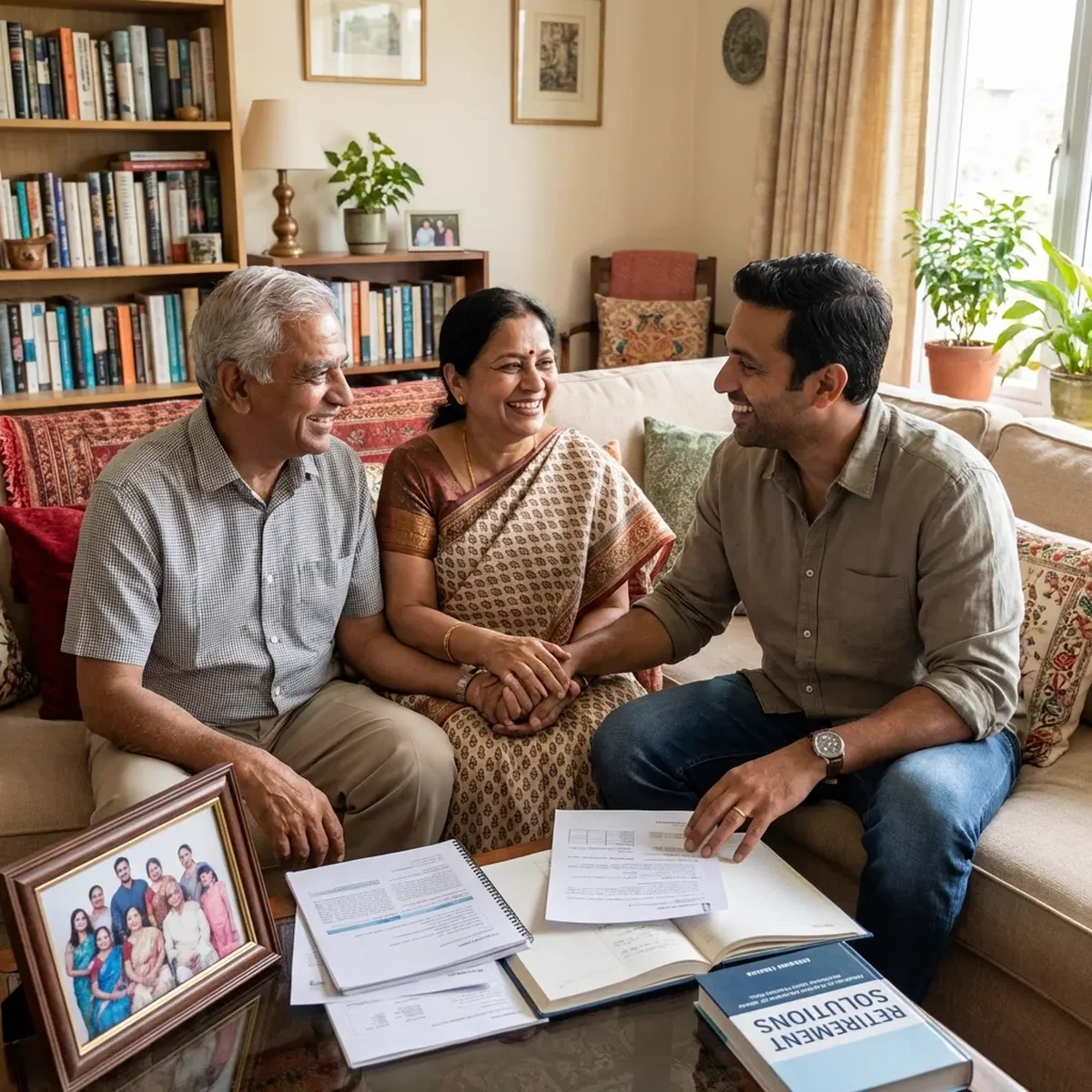
For India's elderly, healthcare costs are the single biggest threat to retirement savings
Diagnostic Tests: The Quiet Upcharge
Something changed in Indian medicine around 2015 — the "test culture." Doctors started ordering more tests for everything. Fever? Blood test, urine test, chest X-ray. Knee pain? MRI. Headache? CT scan. "Bus ek baar test karwa lo, surety ke liye." Not sure if it's because medical liability increased, or just because labs became more common and started offering commissions to doctors for referrals—probably both, honestly.
Now, diagnostic testing IS important and has genuinely improved outcomes. But the inflation in test prices is staggering. Some of this is probably justified by better technology, but I think a lot of it is just market dynamics—when demand is inelastic (you need the test), prices can go wherever:
- Complete Blood Count (CBC): ₹100 (2005) → ₹350-500 (2026) — 3.5-5x
- Thyroid Profile: ₹300 (2005) → ₹1,200-1,800 (2026) — 4-6x
- MRI (single region): ₹3,000 (2005) → ₹8,000-15,000 (2026) — 3-5x
- CT Scan: ₹1,500 (2005) → ₹5,000-10,000 (2026) — 3-7x
- Full Body Checkup (package): ₹800-1,500 (2005) → ₹5,000-15,000 (2026) — 5-10x
The worst part? Many of these tests are unnecessary. A 2022 study published in the Indian Journal of Medical Ethics estimated that 30-40% of diagnostic tests ordered in urban India are "defensive medicine" — doctors ordering tests to protect themselves from malpractice claims, not because patients need them. Each unnecessary test adds ₹500-5,000 to the patient's bill while adding nothing to their health.
Health Insurance: The Inflation Within Inflation
The logical response to healthcare inflation is insurance. And yes, health insurance adoption in India has grown dramatically — from about 15% coverage in 2010 to roughly 42% in 2025 (mostly driven by government schemes like Ayushman Bharat).
But health insurance premiums themselves are inflating at 10-15% per year. My own Star Health policy has evolved like this:
- 2018: Family floater, ₹5 lakh sum insured — Premium ₹12,000/year
- 2020: Same plan — Premium ₹14,500/year (COVID drove up medical costs)
- 2022: Same plan — Premium ₹17,800/year
- 2024: Same plan — Premium ₹22,000/year
- 2026: Same plan — Premium ₹26,500/year
₹12,000 to ₹26,500 in 8 years — a 120% increase. The irony is thick: you buy health insurance to protect against healthcare inflation, and then the insurance itself inflates at the same rate. You're running on a treadmill.
And the ₹5 lakh sum insured that felt adequate in 2018? One hospitalization in 2026 can easily exhaust it. The average private hospital bill for a major surgery is now ₹3-5 lakh. A cardiac procedure is ₹5-10 lakh. Cancer treatment runs into ₹10-30 lakh. The insurance cover is always playing catch-up with medical costs.
According to NITI Aayog data, approximately 17% of Indian households face "catastrophic health expenditure" — defined as health spending exceeding 10% of total household consumption. For the bottom 20% income group, this figure is 25%. Healthcare inflation doesn't just erode savings — it literally impoverishes families.
The Jan Aushadhi Solution: Does It Work?
The government's answer to medicine inflation is the Pradhan Mantri Bhartiya Janaushadhi Pariyojana (PMBJP) — a chain of stores selling generic medicines at 50-90% lower prices than branded equivalents. By 2025, there are about 10,000+ Jan Aushadhi stores across India.
I've used them for Mummy's medicines. The experience is mixed:
- Availability: Basic medicines (paracetamol, metformin, amoxicillin) are usually available. But newer or less common drugs are often out of stock. Mummy's Vildagliptin? Not available at Jan Aushadhi — forcing us back to private chemists
- Quality perception: Papa initially refused Jan Aushadhi medicines. "Sasta hai toh kharab hoga." This misconception is widespread despite these medicines meeting the same quality standards as branded versions
- Location: In metro cities, Jan Aushadhi stores are reasonably accessible. In tier-2 and tier-3 cities? Many don't know they exist, and the nearest store might be hours away
- Doctor cooperation: Many doctors prescribe branded medicines by name. Even if a generic exists, the prescription says "Glucophage" not "Metformin." The pharmacist at Jan Aushadhi can substitute, but many patients don't know they have this right
Jan Aushadhi saves our family about ₹800-1,000/month on the medicines that are available—probably closer to ₹1,200 some months if we're lucky with stock. But it covers maybe 40% of our total medicine needs, possibly less. The rest comes from private chemists at full price. I think the program has potential, but the execution needs work—availability and awareness are still major issues, from what I've seen in our area and from talking to other families.
What Can You Actually Do?
1. Always Ask for Generic
When a doctor prescribes a medicine, ask: "Doctor, is there a generic version?" Legally, pharmacists can substitute generics. A branded medicine costing ₹280 often has a ₹40 generic equivalent. This single habit can cut your medicine bill by 50-60%.
2. Get Adequate Insurance (and Review It Annually)
A ₹5 lakh policy isn't enough anymore. Aim for at least ₹10-15 lakh sum insured for a family of four. Yes, the premium is higher — but one hospitalization without insurance can wipe out years of savings. Think of the premium as a guaranteed expense to prevent a catastrophic one.
3. Invest in Prevention
This sounds clichéd, but it's literally the most cost-effective thing you can do. A gym membership costs ₹12,000 a year. A morning walk costs nothing. Compare that to managing diabetes for 30 years — roughly ₹15-20 lakh over a lifetime when you add up medicines, tests, and the occasional hospitalization. Every rupee spent on prevention probably saves ₹10-15 in treatment down the line. I think most families underestimate this because prevention costs feel like a luxury and treatment costs feel like a necessity, but it's actually the other way around.
4. Use Online Pharmacies for Regular Medicines
Apps like PharmEasy, 1mg, and Netmeds offer 15-25% discounts on regular medicines plus auto-refill for chronic prescriptions. If Mummy takes the same 4 medicines every month, auto-refill at 20% discount saves us ₹350/month — ₹4,200/year.
5. Build a Health Corpus
Beyond insurance, keep a dedicated health emergency fund. I maintain ₹2 lakh in a separate savings account — untouchable for anything except medical emergencies. In a country where 55 million people fall into poverty because of medical bills, this fund is protection against becoming a statistic.
The Cost of Caring for Parents
Let me end with something deeply personal. Papa is 65. Mummy is 62. Both have chronic conditions that need management. Papa's blood pressure medications cost ₹1,200/month. Mummy's diabetes medicines, as I mentioned, are ₹2,850/month. Together, regular doctor visits, tests, and medicines for both parents cost us approximately ₹85,000-90,000 per year.
Papa's pension from a government job is ₹38,000/month. After basic living expenses, about ₹12,000-15,000/month is available for healthcare. Their medicines alone cost ₹4,050/month. That leaves very little for emergencies, specialists, or unexpected health events.
This is the situation millions of Indian families face. The "sandwich generation" — people in their 30s-40s supporting aging parents and growing children — is being squeezed from both sides. School fees inflation on one end, healthcare inflation on the other. And unlike school fees, healthcare inflation has no end date. It continues, relentlessly, for as long as your parents live. Honestly, some months it feels like we're just managing cash flows rather than actually living—healthcare due dates, school fee quarters, insurance renewals, all overlapping.
I don't say this to depress you. I say this because understanding the scale of healthcare inflation is the first step to preparing for it. If you're in your 20s or 30s, start planning NOW for your parents' healthcare costs—not when they're already 65 and expensive to insure. Get them insured (even senior citizen plans with higher premiums are worth it, probably). Switch them to generics where possible. Explore government hospital options (which are genuinely improving in many cities, from what I've seen). And most importantly — have the conversation with them about money and health that every Indian family avoids until it's too late. I think we avoid it because it feels uncomfortable, but that discomfort costs way more down the line.
The ₹12 Metformin strip from 2008 is now ₹22 — and Mummy needs 3 strips per month instead of 1. That tiny number change, multiplied by millions of families, across thousands of medicines, over decades — that's the silent health tax. And it's growing louder every year.
Use our Inflation Calculator to estimate what your current medicine costs will be in 10, 20, or 30 years. Planning for healthcare inflation is arguably more important than planning for food or housing inflation — because you can't negotiate with disease.