
Somebody in my extended family gets married roughly every 18 months. And every time, the budget conversation follows the same arc: starts optimistic, gets uncomfortable around month three of planning, and ends with someone's father staring at a credit card statement wondering what happened. The Indian wedding industry sits at around $50 billion now. That number stopped shocking me. What still shocks me is how many families quietly wreck their finances to keep up with it.

Where Did ₹2 Lakh Weddings Go?
In 1990, a proper middle-class wedding in Delhi or Mumbai — the full works, 500 guests, proper food, gold on the bride — cost between ₹2 lakh and ₹5 lakh. Gold sat at about ₹3,200 for 10 grams. You'd book a community hall, hire a local cook, get a photographer who owned one camera. Done.
The wedding planner was an uncle. Maybe two uncles, if the family was big. Music came from a tape recorder connected to two speakers. Flowers meant marigold garlands that the neighborhood aunties strung together the night before. And the honeymoon? Shimla by train. Under ₹5,000 for a whole week.
I'm not pretending those weddings were flawless — the food was hit-or-miss, half the photos came out blurry, and the logistics ran on optimism rather than planning. But nobody took a loan for it. Nobody's father was still paying off the sangeet two years later.
Then Bollywood happened to weddings. Hum Aapke Hain Koun came out, then DDLJ, and suddenly every family wanted coordinated outfits, choreographed sangeet performances, and those elaborate mandap setups they'd seen on screen. Cable TV piped these images into every living room in the country. The wedding industry — and it genuinely became an industry around this time — figured out that aspiration is probably the most profitable raw material there is.
Every Single Cost Got Worse
It's tempting to point at one thing — gold prices, or Instagram, or venue costs — and blame it. But that's not what happened. Every line item on a wedding budget inflated at the same time, and most of them inflated faster than general CPI. Here's a walk through the big ones.
Venues Went From Community Halls to Production Sets
Community hall in the 1990s: ₹5,000 to ₹15,000 for two days. A shamiana with basic chairs if the wedding was at the bride's house: ₹3,000 to ₹8,000. By 2000, purpose-built banquet halls in tier-1 cities started charging ₹50,000 to ₹1.5 lakh. By 2010, farmhouses on Delhi's outskirts entered at ₹2-5 lakh.
And now? A decent banquet hall in Delhi NCR starts at ₹5 lakh. A good one runs ₹15-25 lakh. Heritage hotels in Rajasthan — the ones that flood your Instagram feed every November — charge ₹50 lakh to ₹2 crore just for the space. Not the food. Not the decor. Just the right to be there for two days.
Food Became the Biggest Surprise
Nothing inflated as wildly as catering, I think. In 1990, the maharaj-ji cooked behind the venue in a makeshift kitchen. Dal, sabzi, roti, rice, raita, gulab jamun. About ₹30-50 per plate. Five hundred guests, total food bill: ₹15,000-25,000.
Professional caterers today charge ₹1,500 to ₹5,000 per plate for a multi-cuisine spread — 15-20 dishes across Indian, Chinese, Italian, and Mexican counters. Live stations for chaat, dosa, pasta. Sometimes sushi. For 500 guests, food alone costs ₹7.5 lakh to ₹25 lakh. And that's just one event. Add the sangeet dinner, mehendi lunch, and reception, and the three-day food budget can cross ₹40-50 lakh. It's insane when you say it out loud.
Photography Turned Into Its Own Industry
A 1990s wedding photographer charged ₹2,000-5,000 and gave you a physical album. Maybe 100-150 prints. The video guy, if you even hired one, added ₹3,000-5,000 for a single-camera VHS tape that your family watched once.
Now there are pre-wedding shoots at exotic locations (₹50,000 to ₹3 lakh), teams of 4-8 photographers and videographers on the wedding day (₹2-5 lakh), drone operators, same-day edits, cinematic trailers meant for Instagram. A mid-range wedding spends ₹3-8 lakh on photos and video. Under ₹10,000 thirty years ago. That's not even the same category of expense anymore.
Bridal Wear Isn't What It Used to Cost
Bridal lehenga from Chandni Chowk in 1990: ₹5,000-15,000. The groom rented his sherwani for ₹500-1,000. Total clothing budget for the couple and close family: ₹30,000-50,000.
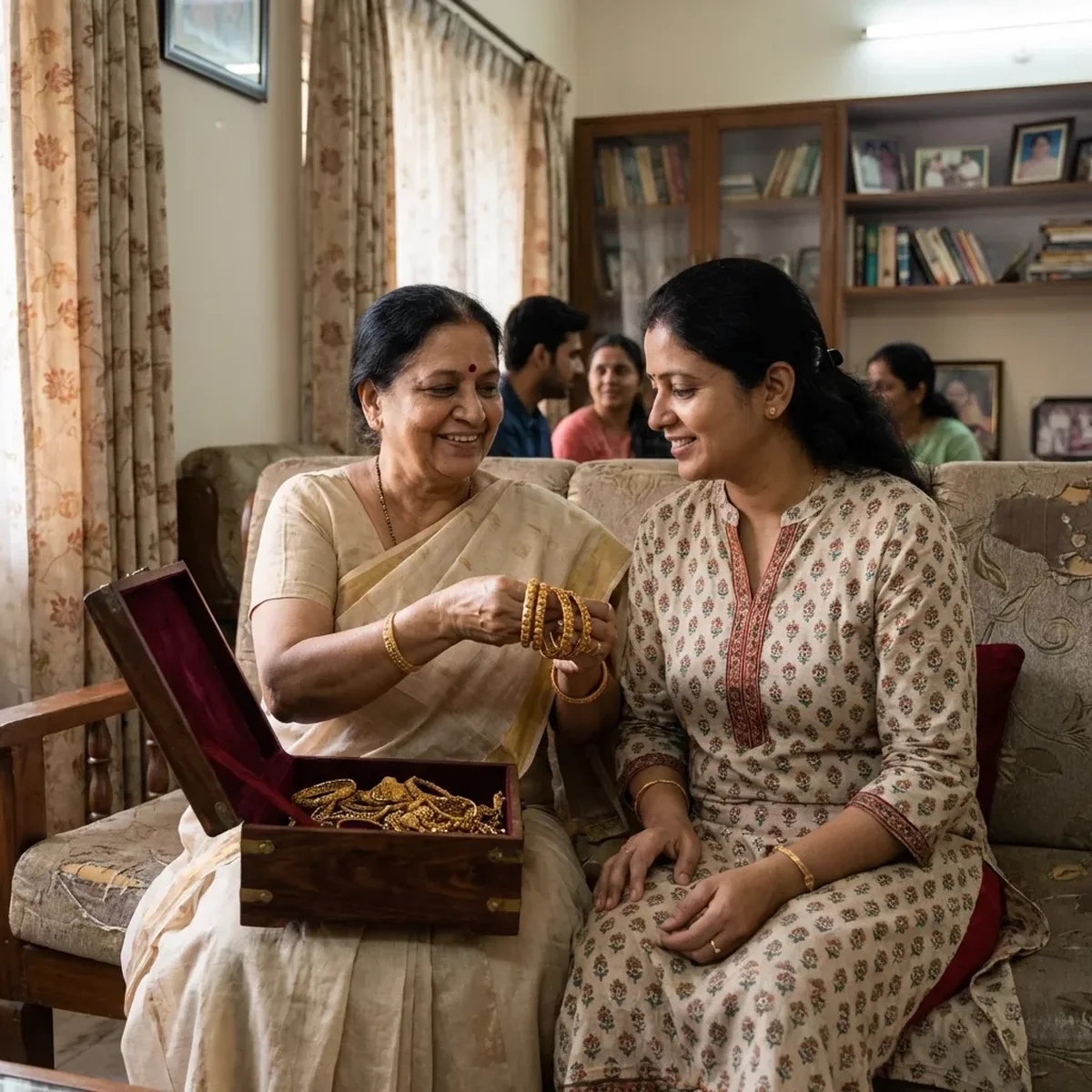
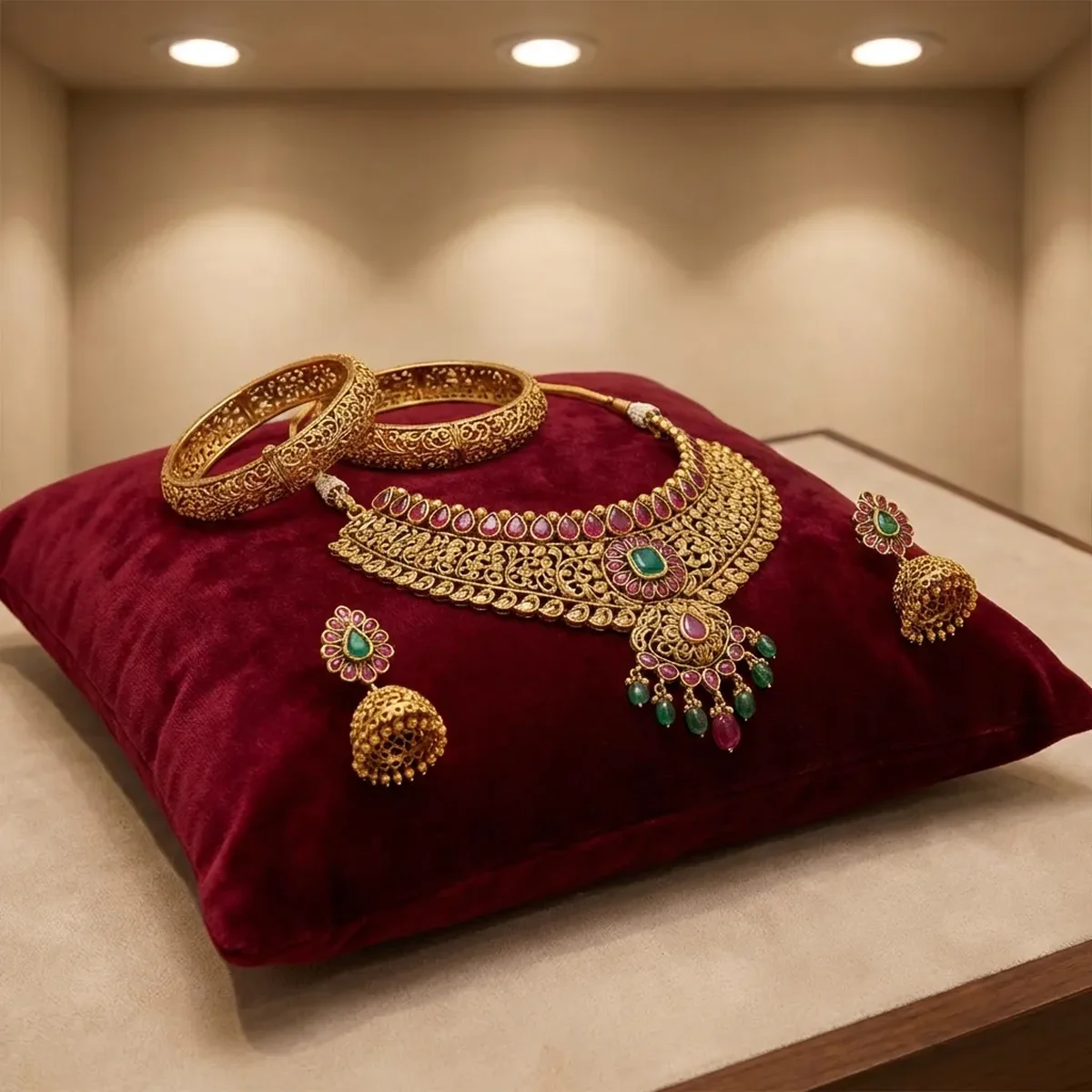
Then designer labels showed up. A Sabyasachi lehenga starts at ₹3 lakh and goes to ₹20 lakh. Even mid-tier designer bridal wear runs ₹1-3 lakh. The groom's outfit, which was an afterthought in the 1990s, now costs ₹50,000-2 lakh. You need different outfits for every function — mehendi, sangeet, wedding, reception — so the bride's clothing alone can blow past ₹10 lakh. Gold jewelry that was ₹50,000-1 lakh for a standard bridal set at 1990 prices now comes to ₹15-30 lakh for the same weight.
Even the Cards
Printed wedding cards in 1990: ₹2-5 per piece. For 500 invitations, you spent ₹1,000-2,500. Now they're laser-cut boxes with sweets inside, scroll invitations, video invitations on USB drives, LED-embedded cards. Premium sets cost ₹200-500 per piece. The invitation budget alone can hit ₹1-2.5 lakh. Digital options exist — WedMeGood, WhatsApp — and they work fine. But try telling that to your dad's side of the family.

The Numbers
Wedding costs in India have grown at roughly 12-15% per year over the past three decades. That's about double the general CPI inflation rate of 6-7%. It's not just prices going up — it's a whole category of spending that didn't exist before getting bolted onto the wedding budget every few years.
Here's the decade-by-decade picture:
| Year | Price / Value | Inflation Adjusted (Approx) |
|---|---|---|
| 1990 | ₹2-3 Lakhs | Base Year |
| 2000 | ₹5-8 Lakhs | Initial Rise |
| 2010 | ₹15-25 Lakhs | The Multiplex Era |
| 2024 | ₹40 Lakhs - ₹1 Cr | The Instagram Era |
If the 2024 number seems high, it probably is if you're in a smaller city. But in Delhi, Mumbai, Bangalore, and Hyderabad, ₹40 lakh is increasingly the floor for a wedding that doesn't feel "budget" to the family's social circle. Instagram did most of the damage here, but we'll get to that.

Not Every Region Burns Money the Same Way
India doesn't have one wedding culture. It has roughly twenty, and the cost structures are wildly different depending on where you are and which community you belong to.
The North Indian Wedding Machine
Delhi, Punjab, Haryana — these are probably the most expensive per-guest weddings in the country. The baraat with a decorated mare or vintage car, the band-baaja, the multi-day affair (mehendi, sangeet, haldi, wedding, reception) — each event is its own cost center. A middle-class Punjabi wedding in Delhi NCR that cost ₹3-5 lakh in 1995 now routinely runs ₹30-50 lakh. A lot of it boils down to "log kya kahenge." What will people say about the venue? The food? The bride's outfit?
In UP and Bihar, dowry — illegal, obviously, but very much alive — pushes costs further. Motorcycles, cars, furniture, electronics, gold. Even middle-class bride's families spend ₹20-40 lakh on gifts to the groom's side. Nobody talks about it publicly, but the numbers are there.
South Indian Weddings: Gold-Heavy, Ceremony-Lighter
South Indian weddings have traditionally spent less on the event but more on gold. A Tamil Brahmin wedding in the 1990s at a kalyana mandapam was a morning affair — done by lunch, banana leaf meal, total cost ₹1.5-3 lakh with most going to the bride's jewelry.
Now it's ₹15-30 lakh. Gold is still the biggest item — families gift 50-100 grams, worth ₹4-8 lakh at current rates. But Bollywood and Instagram have crept in. Sangeet nights, elaborate receptions, designer outfits — things that just didn't exist in South Indian weddings before — add ₹5-10 lakh in genuinely new cost categories. Telugu weddings in Hyderabad's business communities can rival anything Delhi produces. ₹1 crore and up, from what I've heard.
Bengali Weddings: More Affordable, but Don't Skimp on Fish
Bengali weddings have been among the cheaper ones — the culture puts rituals and food above flashy decoration. Kolkata weddings cost ₹1-2 lakh in the 1990s and sit at ₹10-20 lakh today. Still on the lower end nationally.
The unique cost driver is fish. Ilish, chingri malaikari, machher jhol — these are non-negotiable. A proper Bengali wedding feast with all the fish courses costs quite a bit more than a vegetarian spread. Per-plate catering went from ₹80-100 in the late 1990s to ₹800-1,500 now.
Marwari and Gujarati: Business Community Scale
Marwari and Gujarati business families have always gone big, and it's only gotten bigger. A Marwari wedding in Mumbai or Kolkata that cost ₹5-10 lakh in the 1990s now regularly crosses ₹1-3 crore — luxury hotels, imported flowers, celebrity performers, 2,000-plus guests. Gujarati weddings with their garba nights, 30-item thalis, and heavy gold-and-diamond jewelry went from ₹3-5 lakh in 1995 to ₹30-60 lakh for a standard middle-class affair. The diamond merchant community in Surat routinely does ₹5-10 crore weddings. Chartered flights for guests. That kind of scale.
The Budget Doesn't Show You Everything
Published wedding budgets are kind of a fiction. There's always a shadow budget underneath — expenses the family incurs but doesn't include when telling people "the wedding cost ₹30 lakh." In my experience, these hidden items add 30-50% on top.
Pre-Wedding Events That Weren't Events Before
What used to be a simple haldi at home with turmeric paste has turned into a multi-event production. The mehendi alone needs a professional artist (₹15,000-50,000 for the bride, ₹200-500 per guest), plus a venue, food, and music. The sangeet became a choreographed show — choreographer fees run ₹20,000 to ₹1 lakh, you need matching outfits for performers, professional sound and lighting. Each pre-wedding event tacks on ₹1-5 lakh. None of this existed a generation ago.
Trousseau and Gift Exchanges
The bride's trousseau — clothes, household items, gifts she takes to her new home — is a massive hidden expense. We're talking 21-51 sarees or suits (₹2-5 lakh), household goods (₹1-3 lakh), and gifts for every member of the groom's family. Then there's shagun — cash envelopes exchanged at various ceremonies. In Delhi, a single envelope now contains ₹5,001-21,000. There can be dozens of these exchanges over the course of the wedding events. It adds up in ways that don't show up on any spreadsheet.
Guest Travel and Hotels
Families are scattered now — across India, across the world. Booking hotel rooms for 50-100 guests for 2-3 nights at even a budget hotel costs ₹3-8 lakh. Airport pickups, local transportation, arrangements for elderly relatives. For NRI families, flying relatives from the US, UK, or the Gulf can add ₹5-15 lakh just in airfare.
Instagram Wrecked the Budget
If I had to pick one thing that pushed wedding costs past what normal inflation would explain, it's social media. Before 2012 or so, people had a general idea of what a nice wedding looked like. After Instagram and Pinterest took over, every bride walks into the first vendor meeting with a saves folder full of reference images from ₹2-5 crore weddings. And then expects "something like that" on a ₹20-30 lakh budget.
Here's where it gets painful. A bride shows her decorator a Sabyasachi-styled setup with orchids flown in from Thailand. Quote comes back: ₹8-12 lakh for flowers alone. In 1990, marigold and rose decoration for the whole venue was ₹2,000-5,000. Orchids, lilies, baby's breath, hydrangeas — these are imported or greenhouse-grown. They cost what they cost.
YouTube wedding films added another cost layer that seems to keep growing. Couples want cinematic trailers released on Instagram within 24 hours. Same-day-edit videos need a separate editing team on-site — ₹50,000-1.5 lakh extra on top of the photography package. "First look" shoots, "couple entry" videos, bridesmaid photoshoots. All Western imports. All new line items that our parents' generation never paid for because they simply didn't exist.
And then you've got the genuinely bizarre new expenses: custom Snapchat filters (₹15,000-30,000), photo booths (₹25,000-60,000), live social media walls. Weddings have turned into content production events. I think about this sometimes — the content gets consumed for about 48 hours on people's feeds, then everyone scrolls past. But the debt from paying for it? That sticks around way longer.
Beyond social media, the structural drivers are just as brutal. Gold going from ₹3,200/10g to over ₹75,000 means jewelry costs 20x more for the same weight. Venue prices track real estate, which has its own inflation story. And the entire wedding vendor ecosystem went professional — which is good for quality but terrible for budgets. Everything costs more when a "professional" does it instead of your uncle.
People Are Borrowing Money for Three-Day Parties
This is the part that genuinely bothers me. A 2023 LocalCircles survey found that roughly 30% of Indian families take some kind of loan to finance weddings. Personal loans, gold loans, credit card debt, borrowing from relatives — whatever it takes to pull the event off.
Look at the numbers. The average wedding-related personal loan went from ₹2-3 lakh in 2015 to ₹5-8 lakh in 2024. Interest rates on these range from 10.5% to 18%. At 14% interest, a ₹5 lakh loan over five years means paying back ₹6.98 lakh — about ₹2 lakh in pure interest. For a party. If the family earns ₹8-10 lakh a year, they're sending 20-25% of gross income toward servicing wedding debt. That's... a lot.
Gold loans are another common route. Families pledge their existing jewelry to fund the wedding, then can't redeem it within the tenure. So they lose the money they borrowed AND the ancestral gold. Double hit. Can take a generation to recover from.
In rural India, it's worse. NABARD studies found wedding expenses are the second-largest cause of rural household debt, right after agricultural costs. Farmer families in Rajasthan, Maharashtra, and Andhra Pradesh mortgage land for weddings. Land that should be producing income for the family gets pledged for a three-day celebration, and the debt can last decades.
And Now Everyone Wants Udaipur
Destination weddings used to be strictly an ultra-rich thing. Now they've trickled down to the upper-middle class, and the economics are... interesting.
Goa was the gateway drug. Beach wedding there in 2010 cost ₹15-25 lakh for 150-200 guests. By 2024, the same thing runs ₹40-80 lakh. Premium beach resorts charge ₹5-10 lakh per night just for the venue. Government restrictions on beach events and noise have made approved locations even pricier — limited supply, basically unlimited demand.
Udaipur became India's wedding capital almost overnight. Taj Lake Palace, Oberoi Udaivilas, City Palace — a mid-range palace wedding costs ₹60 lakh to ₹1.5 crore. Even the smaller heritage havelis charge ₹10-20 lakh for two days. They market it as "affordable luxury." That phrase tells you everything about how warped the price benchmarks have gotten.
Thailand, Bali, Sri Lanka, Dubai — these are in the mix too. A Thailand beach wedding for 100 guests costs ₹30-60 lakh including flights, accommodation, and the event. Per-guest cost is higher, but the smaller guest list (it's easier to trim when you're asking people to fly internationally) can make it roughly comparable to a large domestic wedding.
What people don't talk about enough: the burden on guests. Attending a destination wedding costs each guest ₹20,000-50,000 in travel and hotels. A family of four might spend ₹1-2 lakh to attend someone else's wedding. That creates real resentment, even if nobody says it out loud. The calculation people make: "They spent ₹50 lakh on the wedding but couldn't cover my hotel room?"
Some Things That Actually Work
I don't think this trend reverses itself — wedding costs will probably keep climbing at 12-15% annually while general inflation sits at 6-7%. Maybe Gen-Z pushes back harder than millennials did, prioritizing housing and travel over one-day events. Maybe not. Social pressure is a powerful force.
But there are concrete things you can do right now. They don't require making the wedding feel cheap.

Cut the guest list. Hard. Every additional guest costs ₹3,000-8,000 when you add food, seating, return gifts, and invitations. Going from 800 to 400 saves ₹12-32 lakh. The conversation with parents about dropping "Papa ke office wale" and "Mummy ki kitty party friends" is uncomfortable. Do it anyway. If you haven't spoken to someone in 12 months, they probably don't need to be there.
Book off-season, book weekdays. Venues charge 30-50% premiums during November-February and on weekends. The same hall that costs ₹8 lakh on a December Saturday might run ₹3-4 lakh on a July Tuesday. Some guests will grumble about taking leave. Your bank account won't mind.
Spend on memories, not decoration. Flowers wilt. Drapes get taken down. LED setups are rented and returned. Instead of ₹8 lakh on decoration that lasts six hours, spend ₹3 lakh on a simpler setup and put the ₹5 lakh difference into a longer honeymoon, a home down payment, or a mutual fund SIP. A ₹5 lakh SIP started at 25 can grow to ₹40-50 lakh by 45 at 12% returns — and that's the actual cost of those imported orchids.
Use technology where you can. WhatsApp or email invitations save ₹1-2 lakh. A curated playlist through decent speakers replaces a DJ for about ₹10,000 instead of ₹1 lakh. Live-streaming cuts the pressure to fly everyone in. Some couples are using AI editing tools for photos now, which brings down the post-production bill.
A financial advisor I know put it this way and it stuck with me: cap your wedding budget at six months of combined annual income. Not net worth — income. And never take a personal loan at 14-18% interest for a party. A wedding is an expense. The marriage is the investment.
References & Data Sources:
- World Bank: India CPI Data (1960-2024)
- Reserve Bank of India (RBI) Historical Bulletins
- Market Data: The Wedding Brigade Industry Report, World Gold Council